
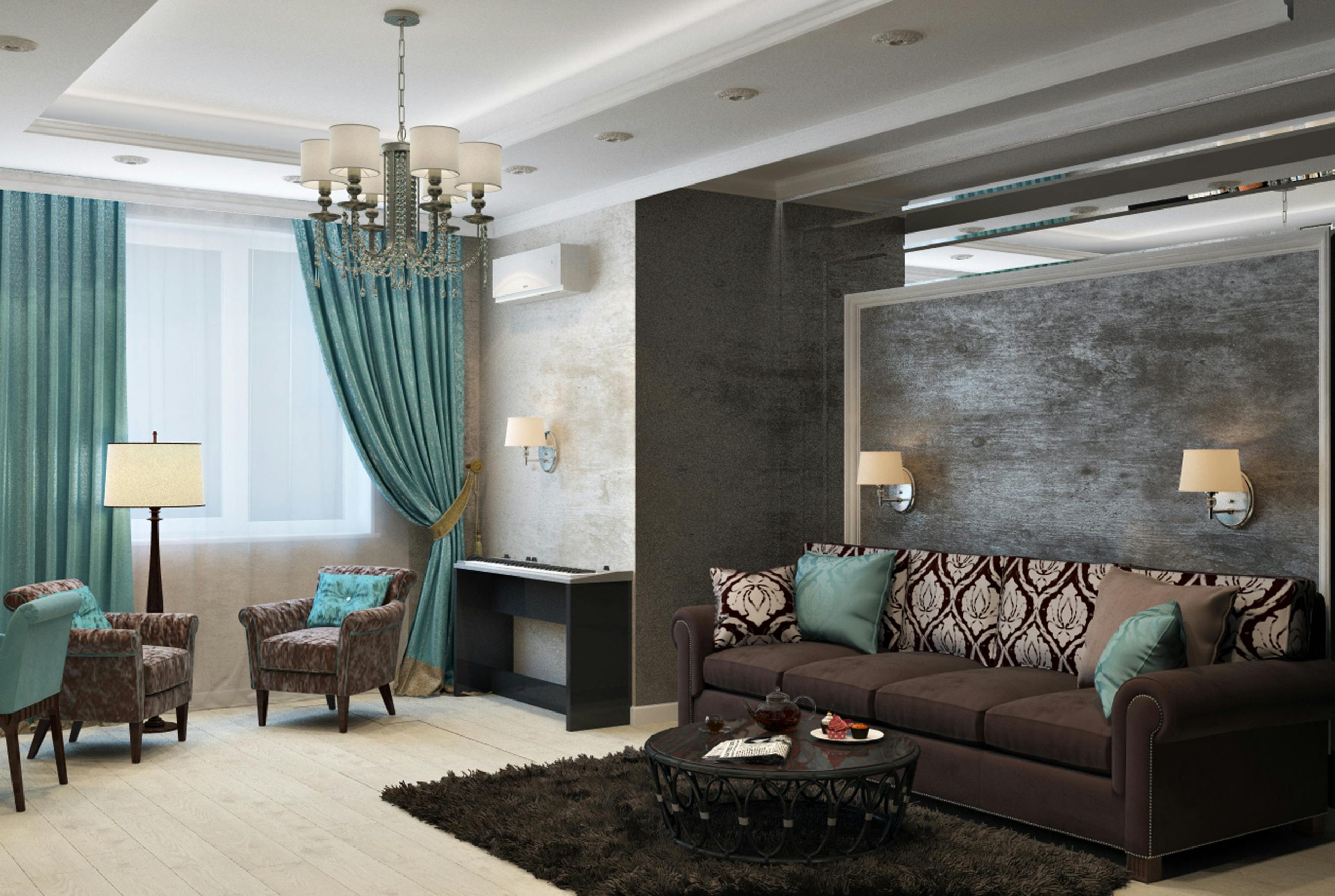
This post will really open your eyes to the power of curtains and window treatments in general and how they can transform a room.
ChatGPT said:
To me, curtains are a bit like lipstick. Would you perfect your makeup and skip the lipstick? Probably not. I may not be a makeup expert, but I understand the impact of a good lipstick—it often completes the look. Think of curtains in the same way: they’re the finishing touch to a room’s beauty. And that’s just their aesthetic role—curtains are vital in interior design for both visual appeal and functionality.
Many people treat curtains as an afterthought when designing their interiors. However, window treatments should be considered from the very beginning of the design process. Even if curtains are the only missing element in your space, they can dramatically influence its atmosphere and character. Curtains are just as essential as any other design feature in a room. In fact, I’d even suggest deciding on the curtain style before choosing your windows when building a home. Why? Because your window design affects what treatments you can use. Architectural choices can limit your options, so why not plan from the inside out—just as we interior designers do?
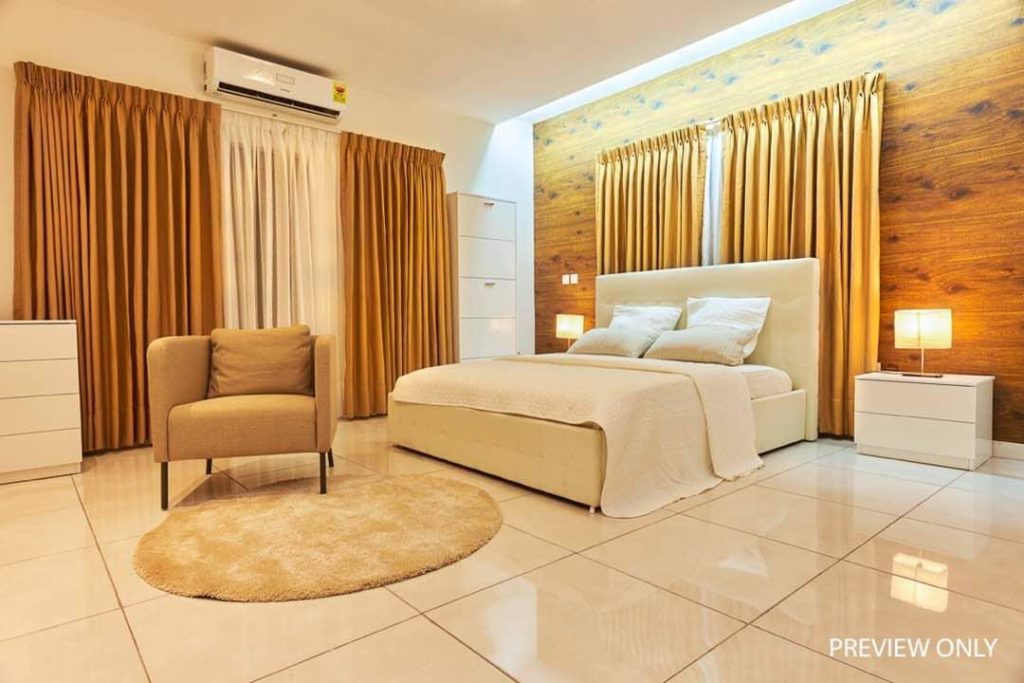
No matter your situation, if you’re considering adding curtains to your space, the first question to ask yourself is:
What purpose will the curtains serve?
Are they for sun control, privacy, decoration, or a mix of all three? Once you’ve defined that, you can move on to other key considerations such as:
I – Architecture of Your Home
How much wall space is available above or beside your windows? What type or style of windows do you have, and how do they open?
II – Interior Design
Should the curtains seamlessly blend with your décor, or stand out as a statement piece? What overall design style are you aiming for?
III – Window Treatment Style
What curtain or window treatment styles appeal to you most?
Now, let’s explore some options to help you make the most of curtains in enhancing your interior design.
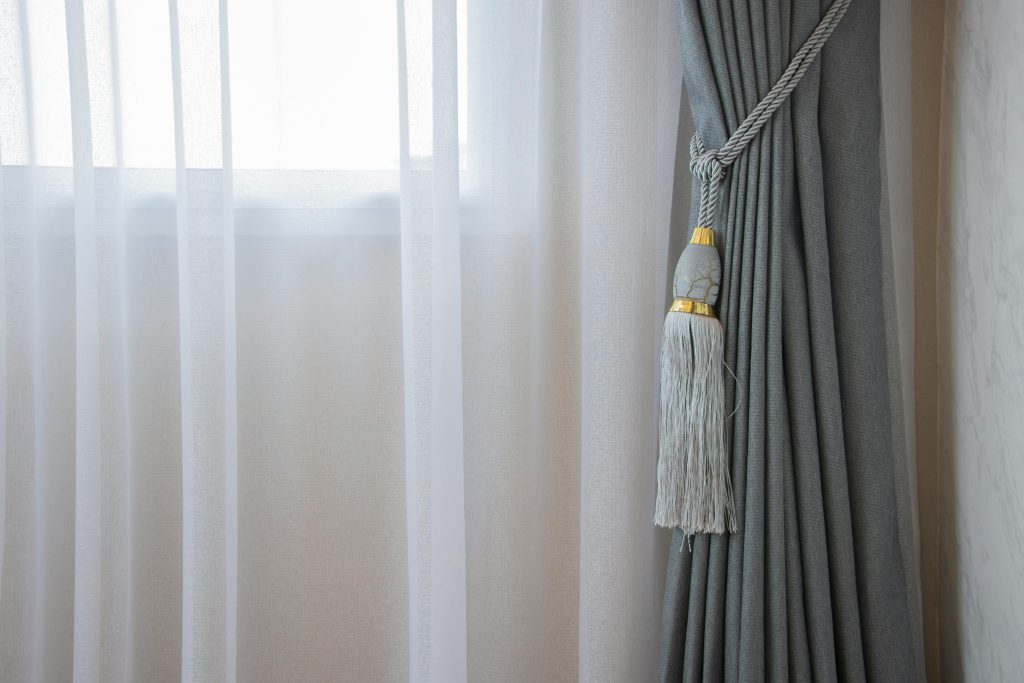
Curtains, blinds, or shutters?
Choosing the right window treatment is an important decision. The most popular options are curtains and blinds, while shutters are especially common in tropical regions like the Caribbean.
Your selection should depend on the architectural style, window design, functionality, and of course, your personal taste. Consider the atmosphere you want to create in the room before deciding.
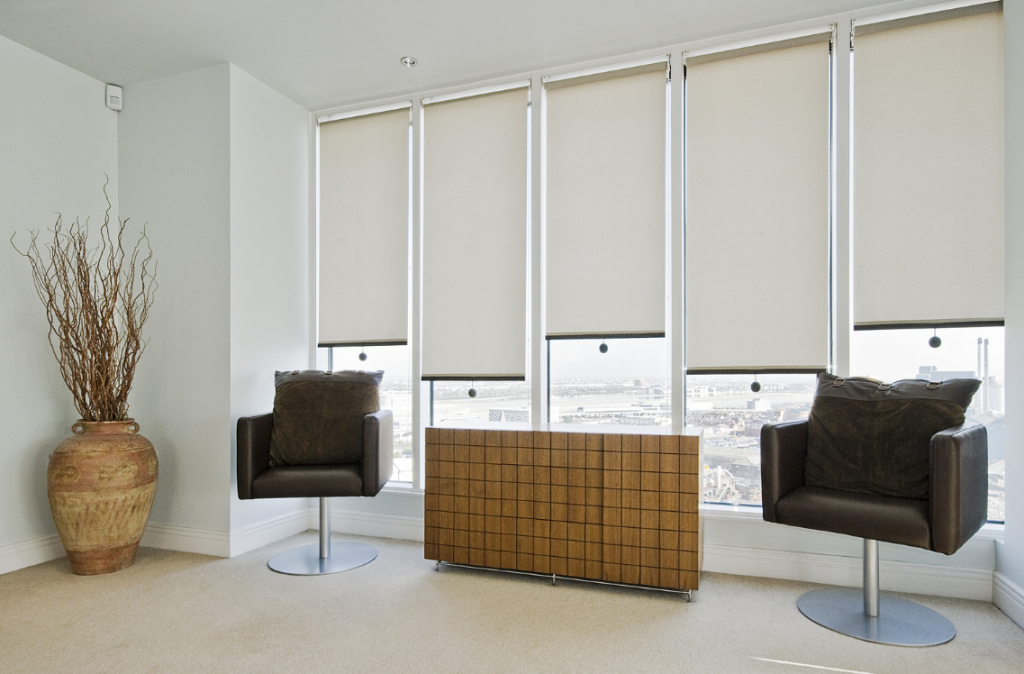
Blinds are often preferred for kitchens, studies, and smaller or bay windows. They come in many varieties—enough to fill an entire blog post! Popular types include Roman, roller, Venetian, plissé, and London blinds. Each style offers unique functionality and creates a distinct aesthetic.
Curtains, on the other hand, bring a sense of elegance and warmth to interiors. They add texture, enhance coziness, and even improve room acoustics. With countless choices in curtain styles, headings, decorative finishes, and fabrics, the possibilities are nearly endless.
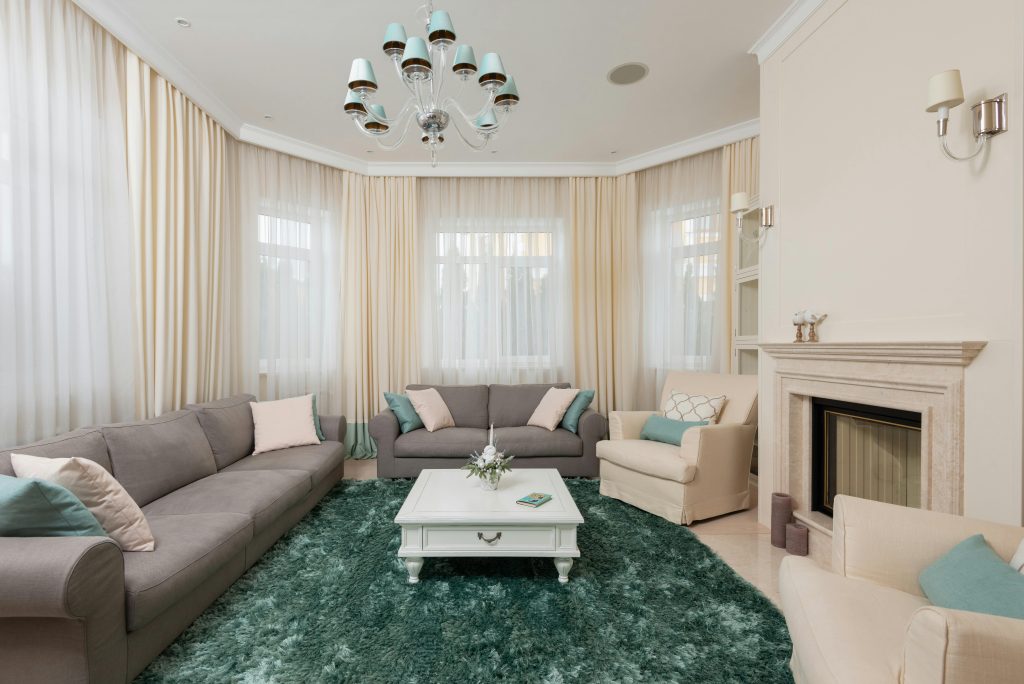
Tracks or poles?
Curtains either hang from a pole or from tracks. Poles tend to work best in a more traditional setting, but can also work well in a casual environment, such as a teenager’s room, depending on the type of heading used.
If you decide to go for poles, then you will need also need finials at each end of the curtain pole. Finials can look very attractive and a design element in their own right. You can really customise this pole accessory to make a statement.
Here at Global Inspirations Design, working on a recent design project, where Comfort meets Luxury, we chose to have floor length sheer linen curtains, suspended from a solid iron rod with forged finials. The curtain pole and finials were made bespoke by a London based blacksmith, to enhance that elegant French chic look and to match the craftmanship of the bronze table lamp and the handmade chandelier.
What heading should you go for?
How would you like your curtains to hang? Are you aiming for a casual or formal look? Do you prefer a more modern, traditional or classic style? The type of heading will depend on your answers. The heading, which is the section at the top of your curtain is ultimately the most essential part of the curtains as it will determine how your curtains hang, as well as their overall style and appearance.
Flat heading is the most common heading used in contemporary settings, whilst goblet pleat, pencil pleat and French pleat to name a few are considered best suited for traditional and classic interiors. Eyelet heading work well in both environments and tie top heading for example are great for a somewhat more casual environment. When working with clients on interior design projects, together with our preferred curtain makers, we advise on the best heading for your curtains, to help compliment the rest of the interior design. Curtains, as we have established, are part of the interior design process.
How to choose the right curtain fabric to match the interior design?
How do you know which fabric to choose? This again strongly depends on the overall interior design and the desired function of the space. The fabric of your curtains either complement the interior design or they are used to add a pop of colour or make a statement using a bold pattern for example. At Global Inspirations Design we tend to use natural fabrics, such as linen, cotton and silk. Linen comes in many different weights to accommodate different needs and styles. It’s a great fabric that works equally well in winter as it does in summer. Velvets (made of cotton and/ or silk) are another favourite of ours, especially when used in combination with linen, as a border for example as seen in the bedroom pictured above.
Selecting fabrics is actually one of my personal favourite things of interior design. I can spend hours on end at fabric showrooms, regularly attend fabric launch events across Switzerland, visit the Chelsea Harbour Design Centre in London once a year and pay the fabric houses in Milan and Paris a visit during Maisons et Objets and Milan Design Week (pre-Covid). Fabrics are often a source of imagination and there are truly endless options and possibilities.
Do you need a lining or not?
When choosing custom-made curtains, it’s important to decide whether or not to include a lining and to select the right weight for your needs. This choice plays a key role in achieving curtains that perfectly complement your home décor.
Blackout linings are ideal for bedrooms as they effectively block out light, helping you enjoy a restful night’s sleep. Interlinings, on the other hand, add extra weight, fullness, and warmth—making them perfect for creating a luxurious feel in living rooms.
Some fabrics, like sheers or voiles, don’t require a lining. They drape gracefully on their own, adding elegance while allowing plenty of natural light to filter through. We’ve used sheers in several recent interior design projects for their refined, airy look.
Promote, refer, earn—join our affiliate program now!
https://shorturl.fm/bVmZa